Valutazione realistica dei tempi di esodo complessivi e della percorribilità delle vie.
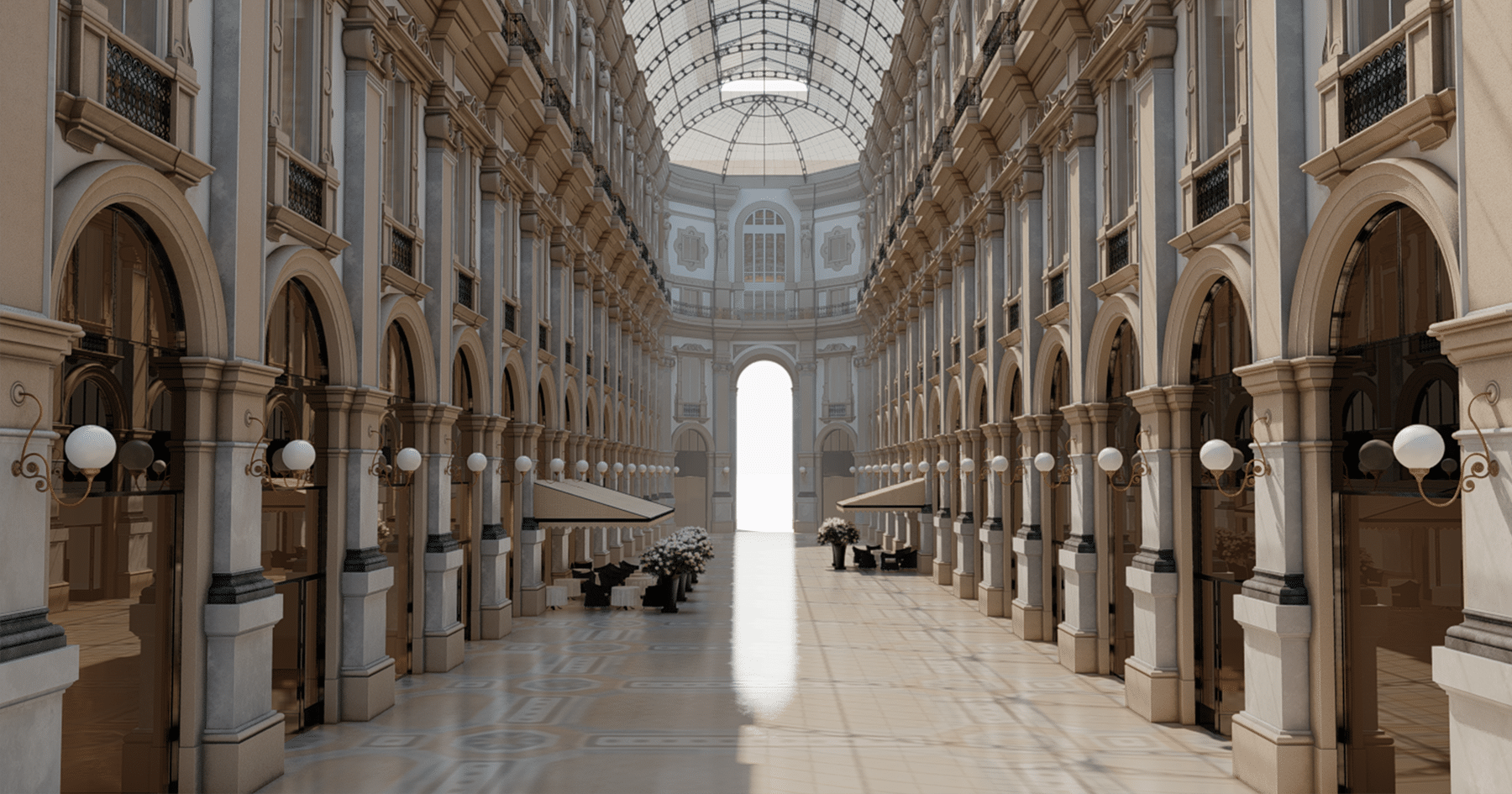
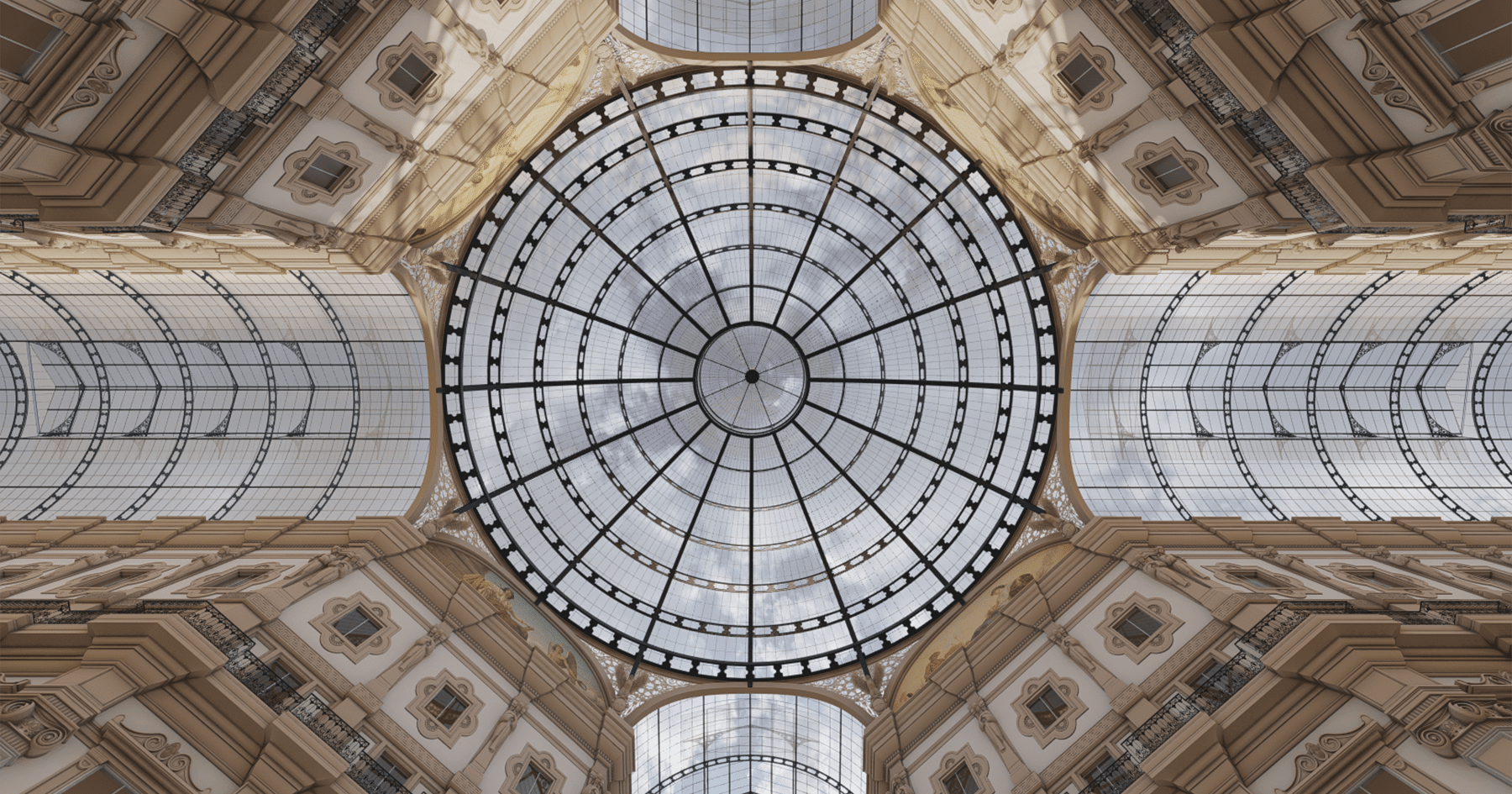
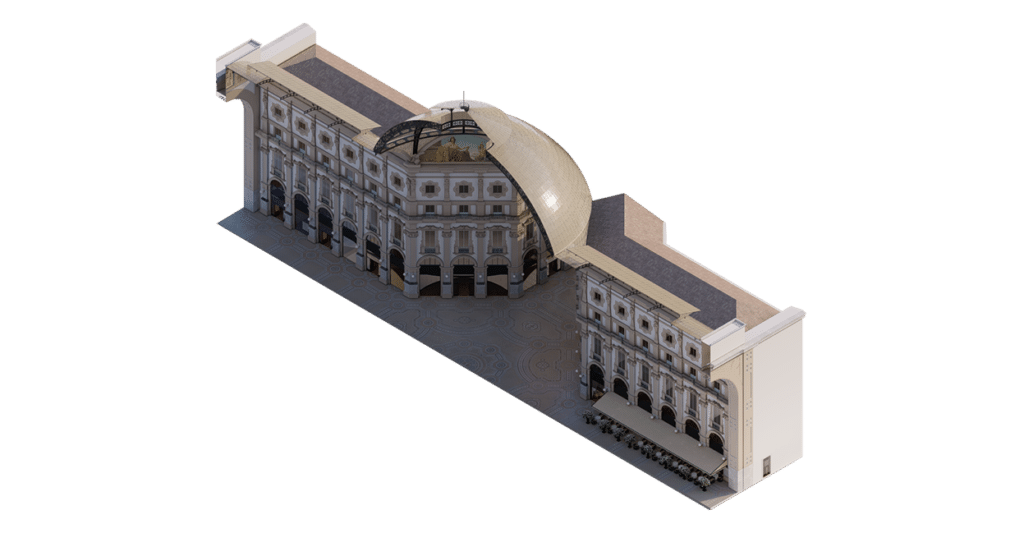
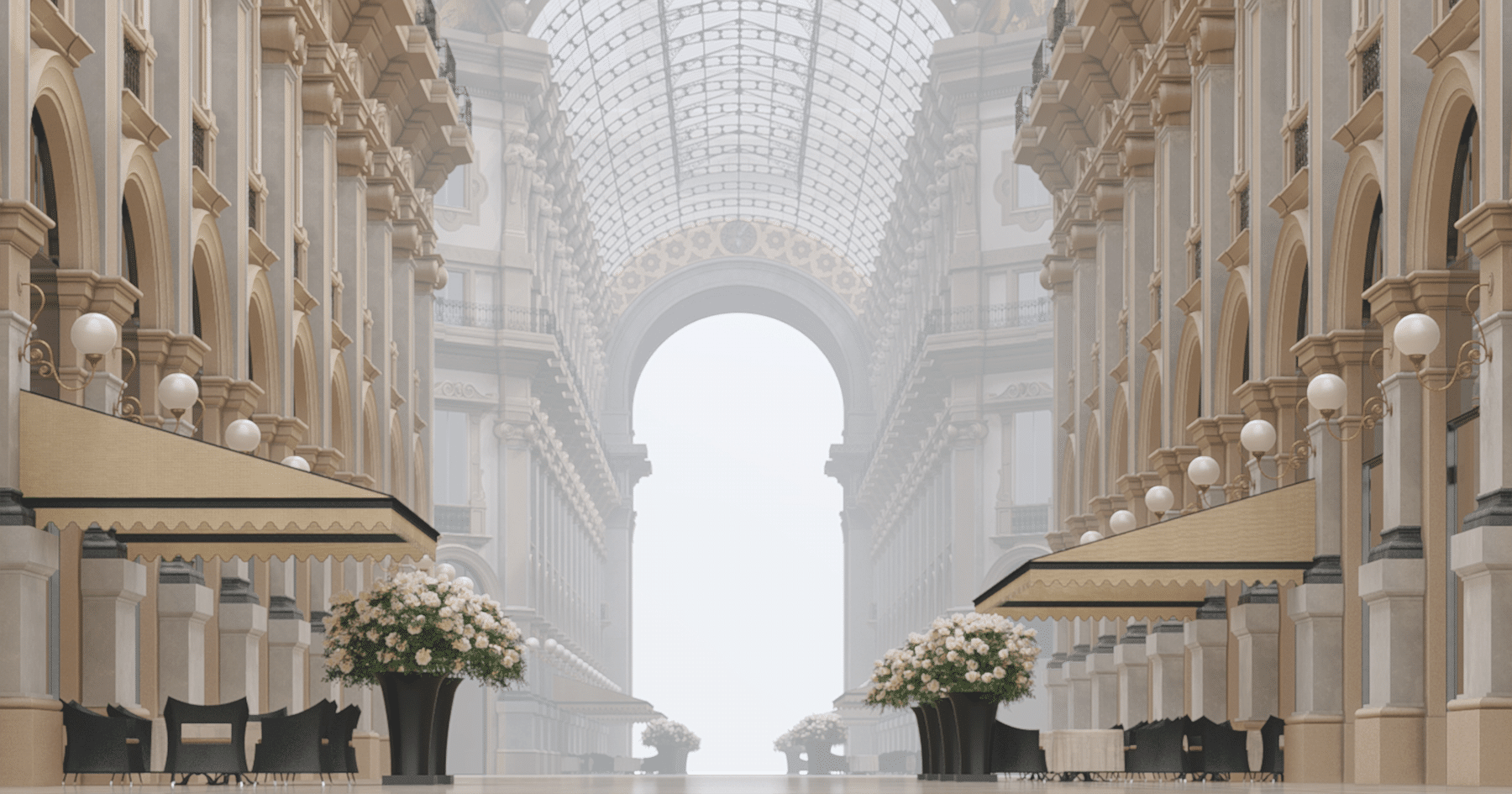
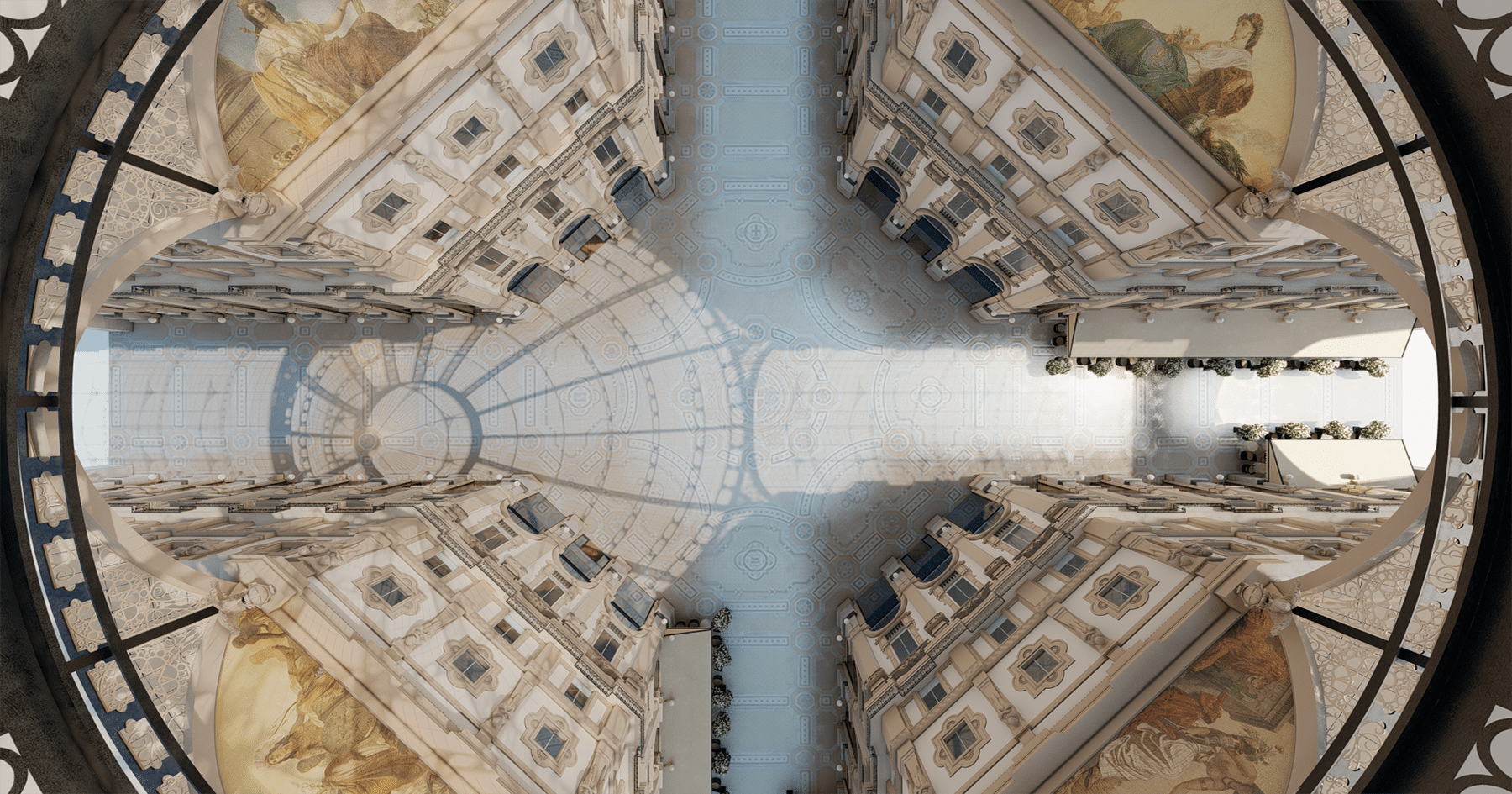
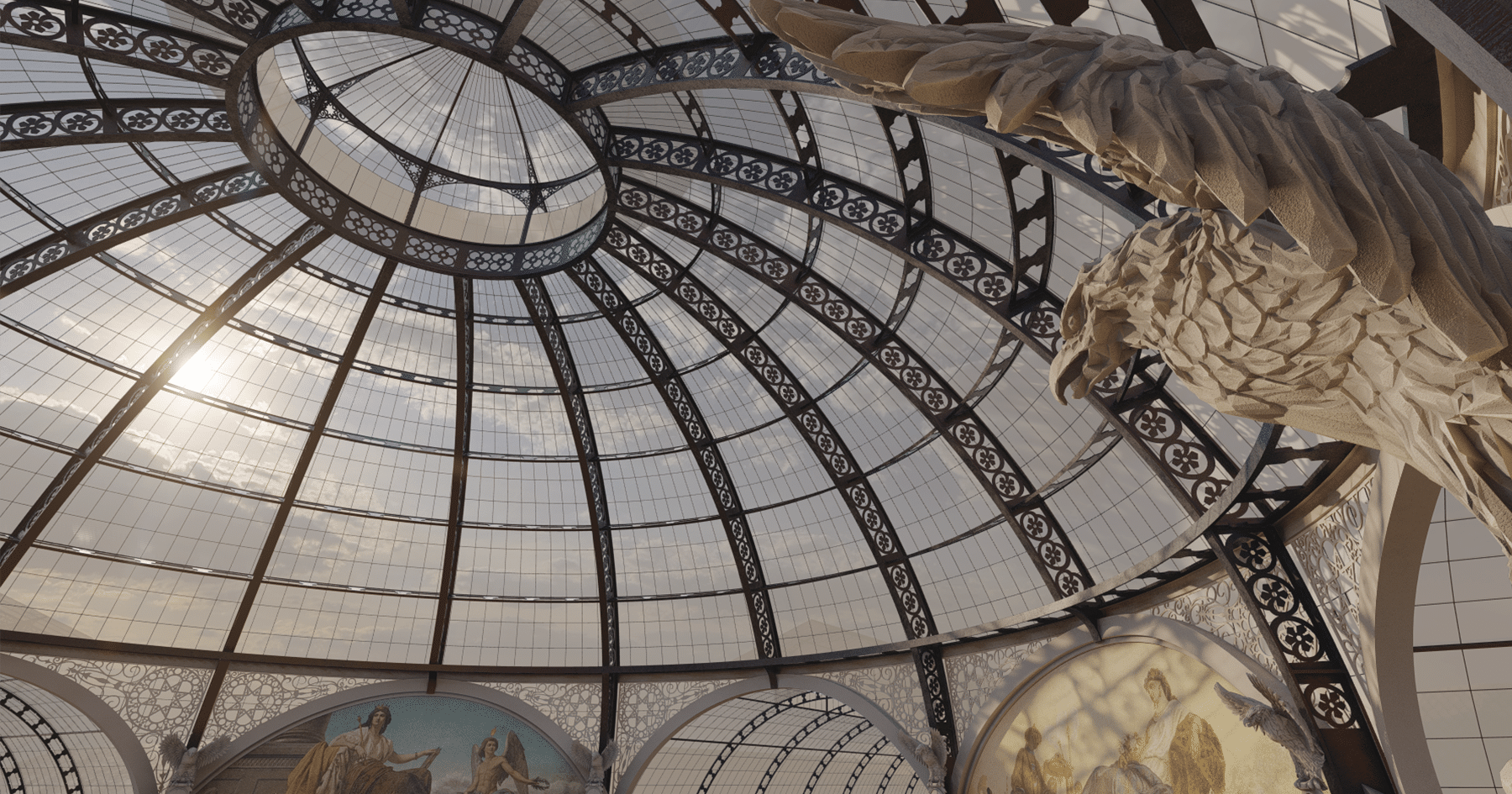
Costruita tra il 1865 e il 1878, la Galleria Vittorio Emanuele II venne realizzata con una struttura reticolare in ferro e vetro retinato. Fu inizialmente concepita come strada pedonale coperta, ma venne successivamente adibita ad elegante centro commerciale con quasi cento negozi, distribuiti su una pianta a croce. Le dimensioni imponenti della struttura ricoprono 196 m in direzione nord-sud e 105 m in direzione est-ovest. La cupola che torreggia sull’ottagono centrale raggiunge un’altezza totale di 47 m.
La Galleria Vittorio Emanuele II, proprio in quanto notorio edificio italiano, è stata scelta come esempio ideale per mostrare le potenzialità della INC Ambiente e Territorio nella progettazione antincendio, sviluppate nel corso dei numerosi anni di esperienza. Lo studio condotto su un edificio così complesso, anche in termini di dettagli architettonici, strutturali ed artistici, consente inoltre di dare un’idea del grado di accuratezza e di precisione che possono essere raggiunti nella rappresentazione tecnica e grafica degli edifici sottoposti alle nostre analisi.
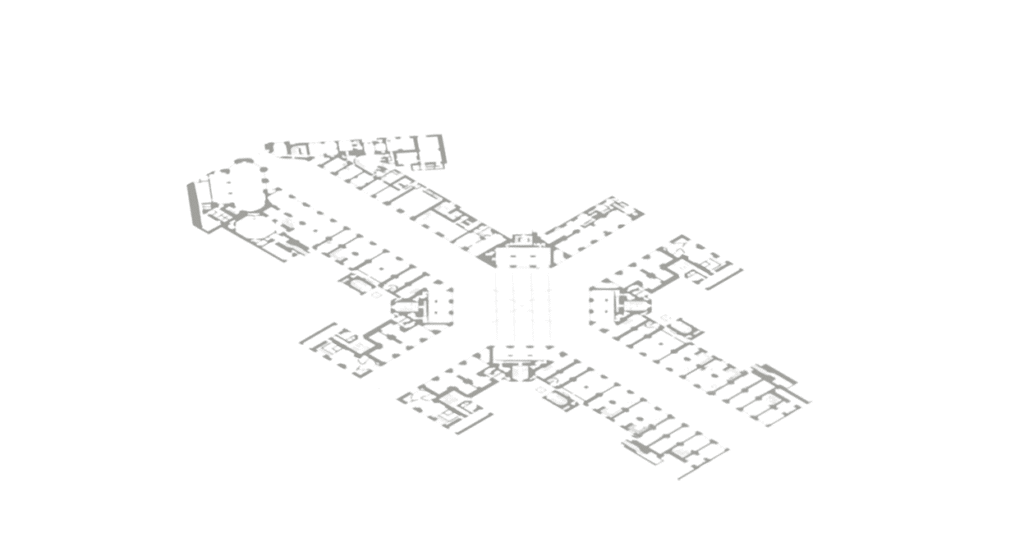
FASE 1: Analisi progetto 2D
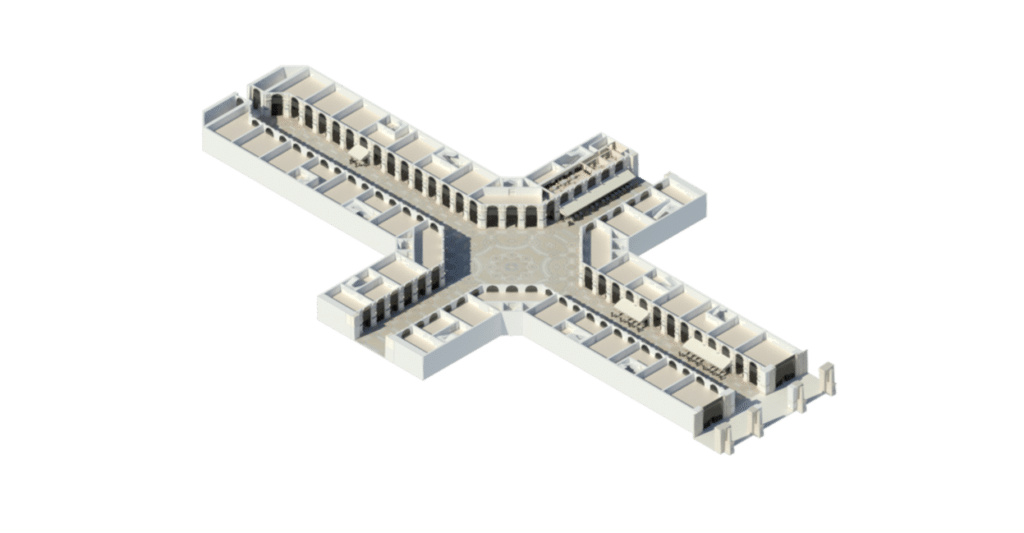
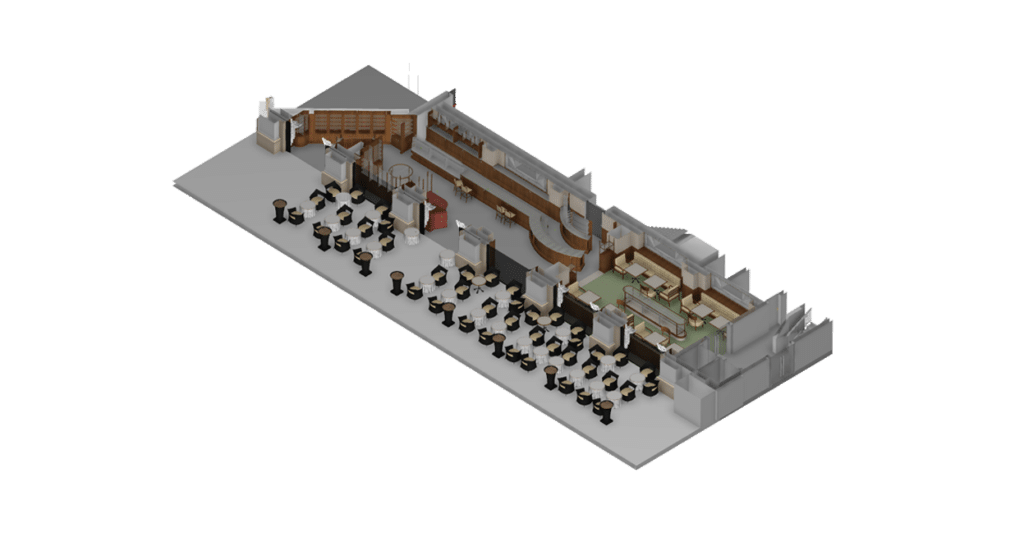
Fase 2: Modellazione 3D
Fase 3: Modellazione CFD
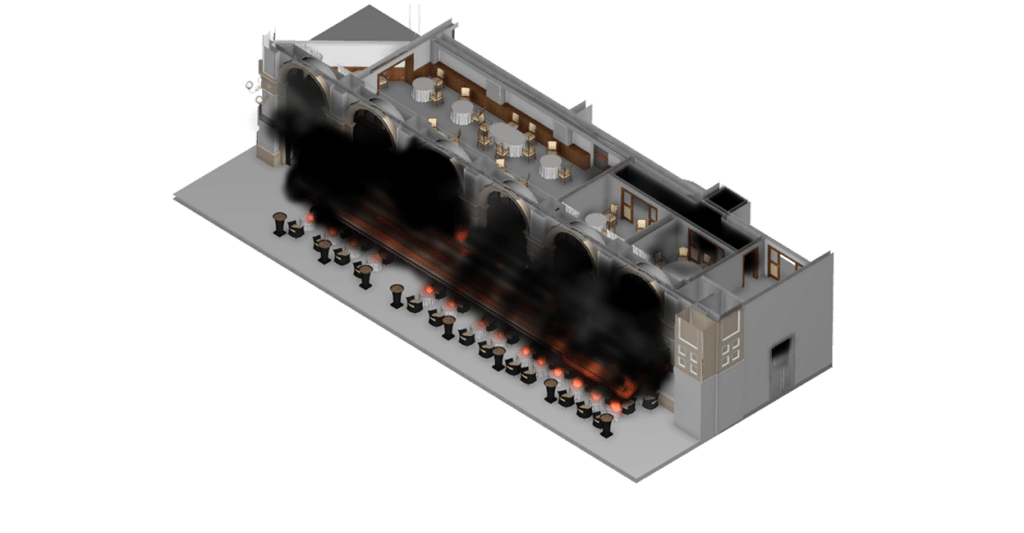
FASE 4: SIMULAZIONE INCENDIO
FASE 5: Consegna Finale
L’analisi condotta sulla Galleria Vittorio Emanuele II ha l’obiettivo di illustrare in dettaglio l’applicazione della FSE(Fire Safety Engineering) tramite la simulazione di un evento di incendio all’interno di un edificio storico complesso, evidenziando le potenzialità della progettazione antincendio fondata sull’approccio prestazionale. Differenziandosi dalla tradizionale progettazione secondo l’approccio cosiddetto prescrittivo, l’FSE, definita anche “approccio ingegneristico” prevede un meticoloso studio dell’evoluzione dinamica dell’incendio e concentra l’analisi sulla previsione scientifica delle prestazioni dell’edificio, rispetto a diversi parametri di sicurezza antincendio definiti dalla norma.
Il progetto trae spunto da un reale accadimento degli anni 70, che ha visto uno storico ristorante della Galleria vittima di un incendio. Nella nostra analisi, si è voluto in particolare verificare il potenziale di una curva termica generata dall’innesco di un focolare presso il registratore di cassa all’ingresso, in interazione con i principali elementi combustibili presenti nel locale, come tende, tessuti, poltrone, legno, sedie e moquette.
La prima fase ha concentrato un’attenta analisi della documentazione 2D e fotografica: l’accuratezza dei dati risulta infatti di vitale importanza per il corretto svolgimento delle simulazioni. Nella seconda fase si è svolta la modellazione geometrica 3D della struttura: i modelli da noi realizzati devono essere assolutamente privi di imprecisioni geometriche. Ritenendo inoltre di nostro grande interesse poter fornire una resa grafica improntata al fotorealismo, dedichiamo ulteriore tempo alle rifiniture dei principali elementi architettonici e strutturali. Successivamente nella terza fase il modello viene adattato ai fini del calcolo computazionale CFD, con riferimento alle geometrie ed alle proprietà dei materiali sottoposti ad analisi, per arrivare infine alla quarta fase di lancio ed analisi delle simulazioni. La quinta fase prevede infine la presentazione della relazione FSE, arricchita dai rendering esplicativi e dalle immagini tecniche derivate dalle simulazioni.
We use cookies to ensure that you have the best experience on our website. By continuing to browse the site, you consent to their use.AcceptDecline